
"magic silk"
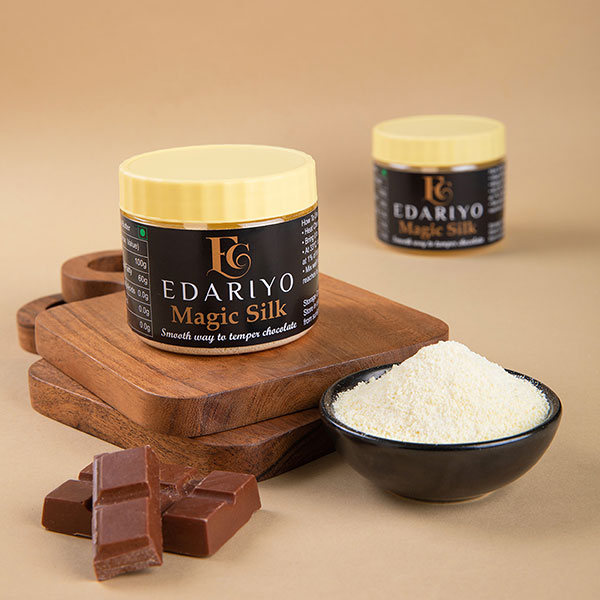
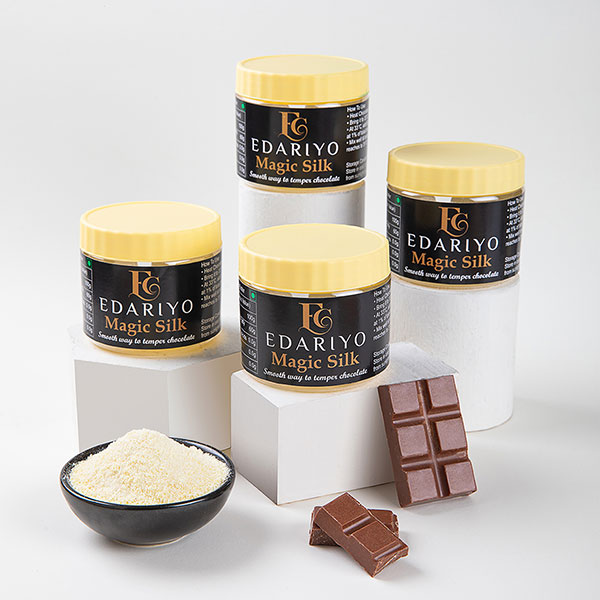
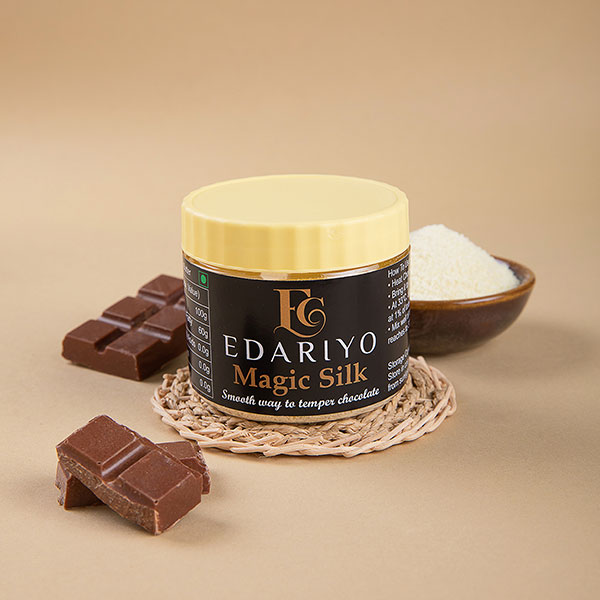
Magic Silk – Advanced Chocolate Tempering Methods & Process of Tempering Chocolate with Cocoa Butter
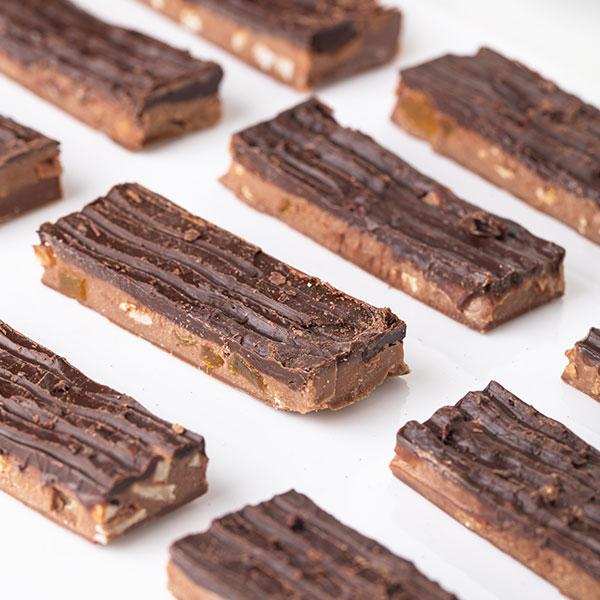
Tempering Chocolate with Cocoa Butter
What is Magic Silk?

Our Product
-
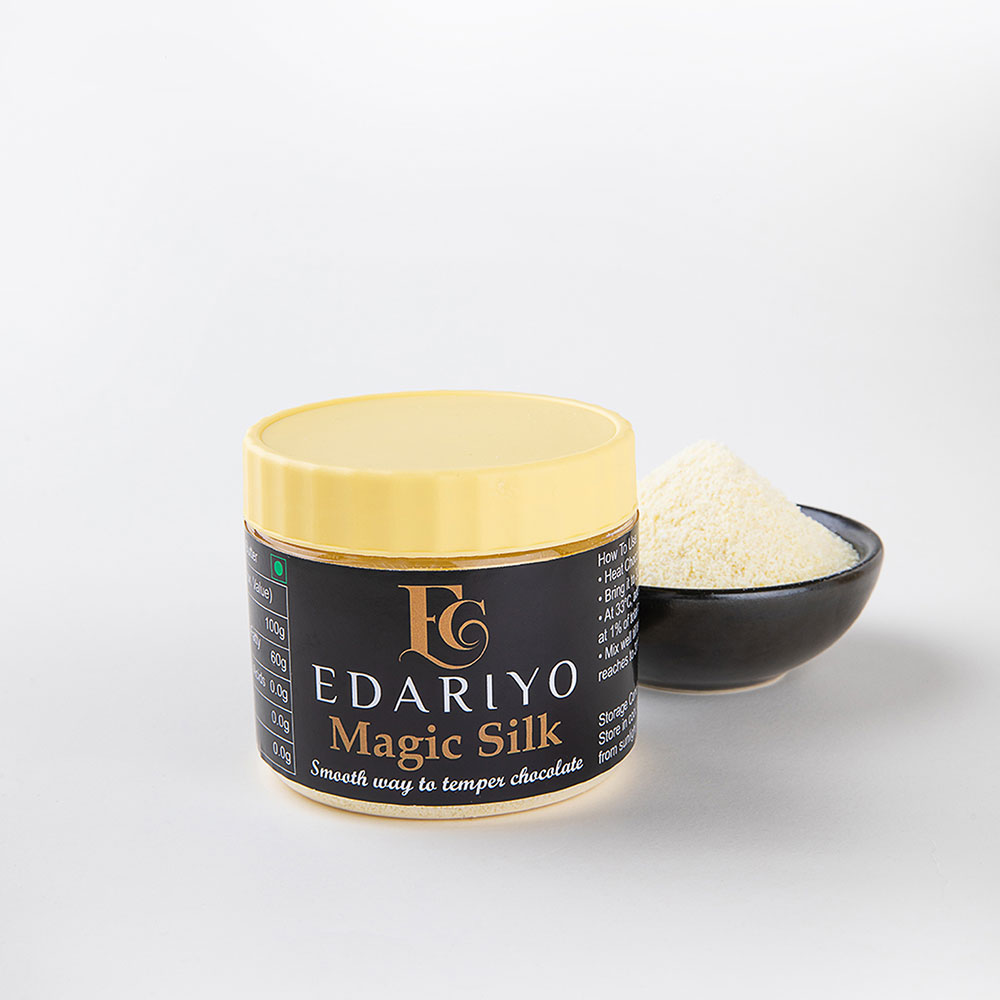
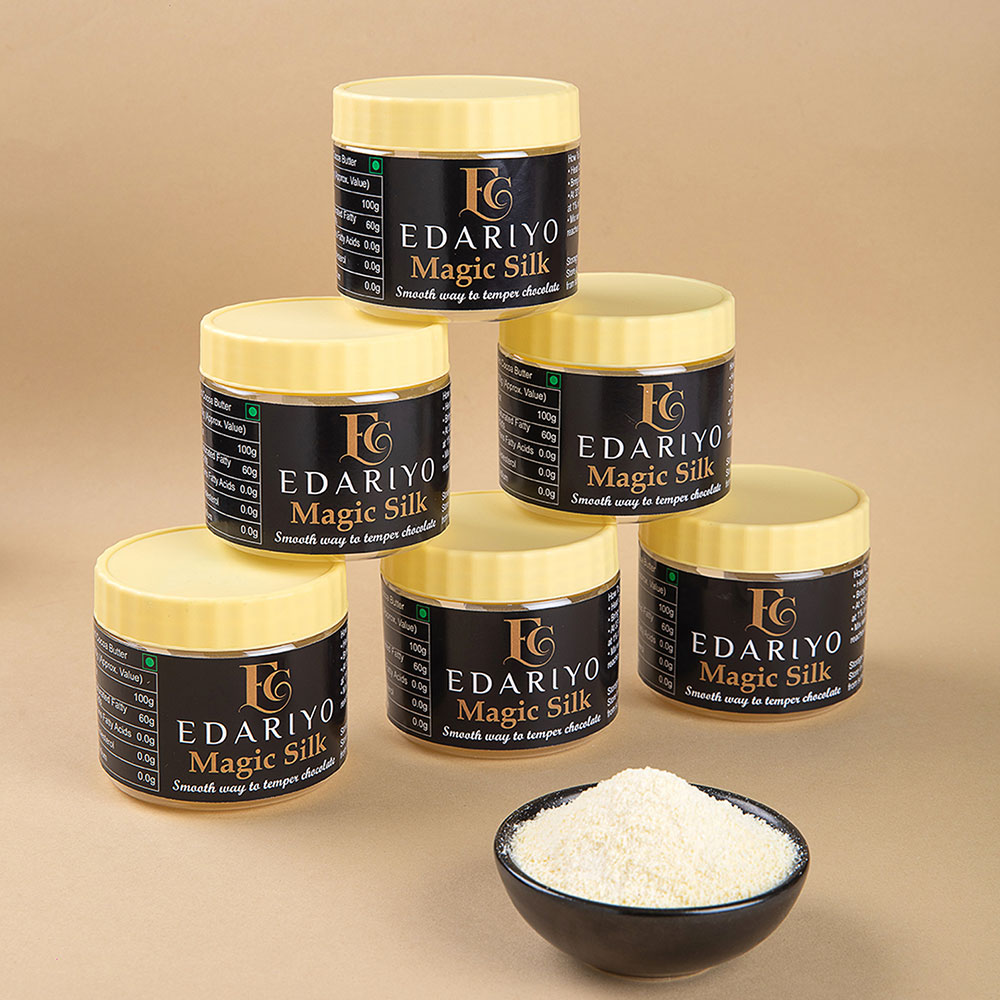
Edariyo Magic Silk
Select options This product has multiple variants. The options may be chosen on the product page

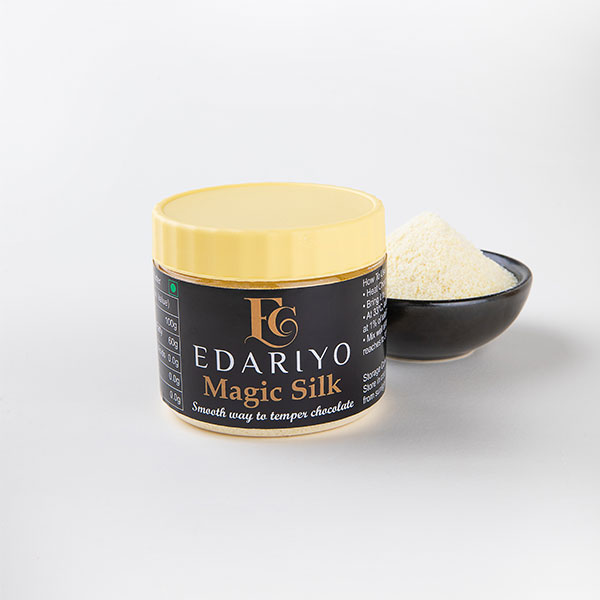
How to Use Magic Silk for Tempering Chocolate
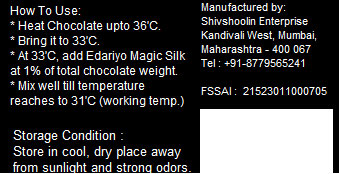
- Melt the chocolate to its melting temperature.
- Allow the chocolate to cool slightly to the recommended working temperature.
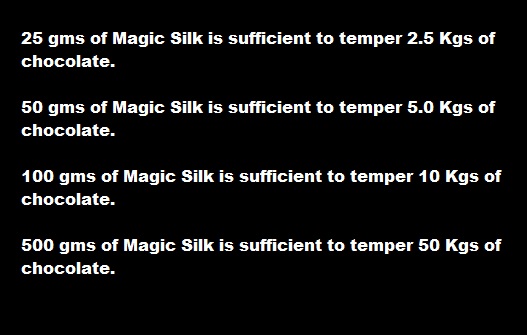
- Add approximately 1% Magic Silk to the melted chocolate.
- Stir thoroughly to distribute the cocoa butter crystals evenly.
How Magic Silk Simplifies Chocolate Tempering
- Faster tempering process
- Consistent results
- Reduced risk of tempering mistakes
- Easier tempering for beginners
- Improved efficiency for professional chocolatiers

What is Chocolate Tempering
- Dull or matte chocolate surfaces
- White streaks or fat bloom
- Soft or crumbly texture
- Chocolate sticking to molds
Why Tempering Chocolate is Important
Shiny Appearance
Tempered chocolate develops a beautiful glossy finish that enhances the visual presentation of chocolate bars, pralines, and molded chocolates.
Crisp Snap
Well-tempered chocolate breaks cleanly and produces a satisfying snap when bitten.
Smooth Texture
The stable crystal structure created during tempering ensures a smooth and creamy mouthfeel.
Better Shelf Stability
Tempered chocolate is less likely to develop fat bloom or lose its shape at room temperature.
Chocolate Tempering Methods Used by Chocolatiers
Seeding Method
- 1. Melt chocolate to its melting temperature.
- 2. Add finely chopped tempered chocolate.
- 3. Stir until the chocolate cools to the working temperature.
Tabling Method
Tempering Machine Method
Cocoa Butter Silk Method
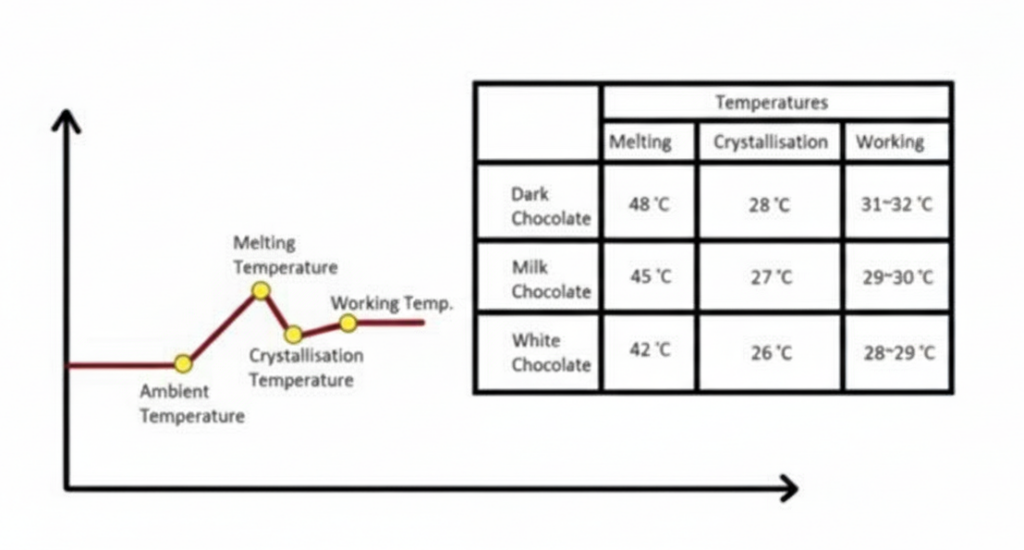
Process of Tempering Chocolate
1. Melting the Chocolate
Chocolate is first heated to a temperature high enough to melt all existing cocoa butter crystals. This step ensures that the chocolate starts with a clean crystal structure.
2. Cooling the Chocolate
The chocolate is then cooled so that stable cocoa butter crystals begin to form. This stage is critical for building the proper crystal structure.
3. Reheating to Working Temperature
After the chocolate has cooled, it is gently reheated to a working temperature that preserves the stable crystals while allowing the chocolate to remain fluid and workable.
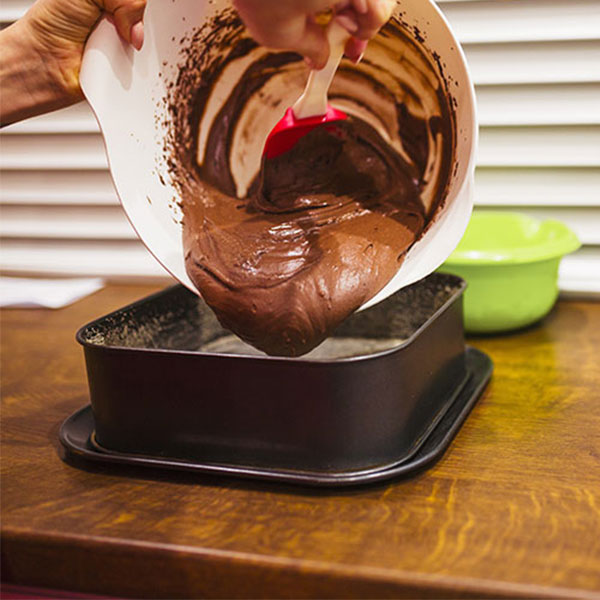
Chocolate Tempering Temperature Chart
| Chocolate Type | Melt | Cool | Work |
|---|---|---|---|
| Dark Chocolate | 45–50°C | 27–28°C | 31–32°C |
| Milk Chocolate | 40–45°C | 26–27°C | 29–30°C |
| White Chocolate | 38–42°C | 25–26°C | 28–29°C |
Common Chocolate Tempering Mistakes
Overheating Chocolate
Excessive heat can destroy cocoa butter crystals and make it difficult to achieve proper temper.
Incorrect Temperatures
Working outside the recommended temperature range can prevent stable crystal formation.
Moisture Contamination
Water or humidity can cause chocolate to seize and ruin the tempering process.
Poor Mixing
Insufficient stirring may prevent stable crystals from distributing evenly throughout the chocolate.
Frequently Asked Questions About Chocolate Tempering
What is chocolate tempering?
Chocolate tempering is the controlled process of heating and cooling chocolate to form stable cocoa butter crystals that give chocolate its shine and snap.
What are the main chocolate tempering methods?
Common methods include the seeding method, tabling method, tempering machines, and cocoa butter silk tempering.
Can cocoa butter be used for tempering chocolate?
Yes, pre-crystallized cocoa butter can be used to seed stable crystals and simplify the tempering process.
Why does chocolate become dull or develop white streaks?
This usually happens when chocolate is not properly tempered and unstable cocoa butter crystals form during cooling.